By Joseph Cruz, MoveUP Environment Committee member
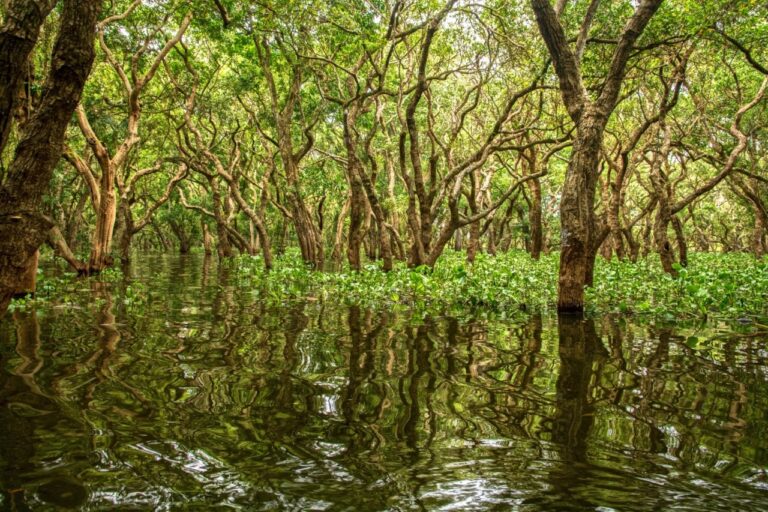
When people think of forests, they often picture towering trees deep inland. However, some of the world’s most important forests grow where the land meets the sea. Nicaragua is home to thousands of hectares of mangrove forests along both its Pacific and Caribbean coasts. These unique ecosystems protect coastal communities from storm surges and erosion, provide nursery habitat for fish, shrimp, and countless other species, and store up to four times more carbon than many tropical forests. While Canada doesn’t have mangrove forests, we rely on similar coastal ecosystems—such as British Columbia’s estuaries, salt marshes, eelgrass meadows, and coastal wetlands—which provide many of the same benefits by protecting shorelines, filtering water, storing carbon, and supporting salmon, shellfish, migratory birds, and other wildlife.
Despite their importance, coastal ecosystems around the world continue to face pressure from development, pollution, and climate change. In Nicaragua, local communities, conservation groups, and Indigenous Peoples are working to restore damaged mangrove areas through replanting projects and sustainable land management. Here in British Columbia, First Nations, conservation organizations, and volunteers are restoring estuaries and eelgrass beds that are vital to our coastal environment. Although these habitats look different, they perform many of the same essential functions, reminding us that protecting nature is a shared responsibility that extends beyond borders.
What can you do? Learn where your seafood comes from. Many fish, shrimp, and crab species rely on mangrove forests as nurseries during the early stages of their lives. Likewise, many Canadian seafood species depend on healthy estuaries and eelgrass habitats along our own coasts. When possible, choose seafood certified by the Marine Stewardship Council (MSC) or ask your local grocery store or fish market about sustainable sourcing. Supporting sustainable fisheries helps protect coastal ecosystems in Nicaragua, British Columbia, and around the world. Every informed purchase is a small step toward protecting some of our planet’s most valuable natural environments.
Photo credit: Sean Phillips