By Joseph Cruz, MoveUP Environment Committee member
November 29 marks International Jaguar Day.
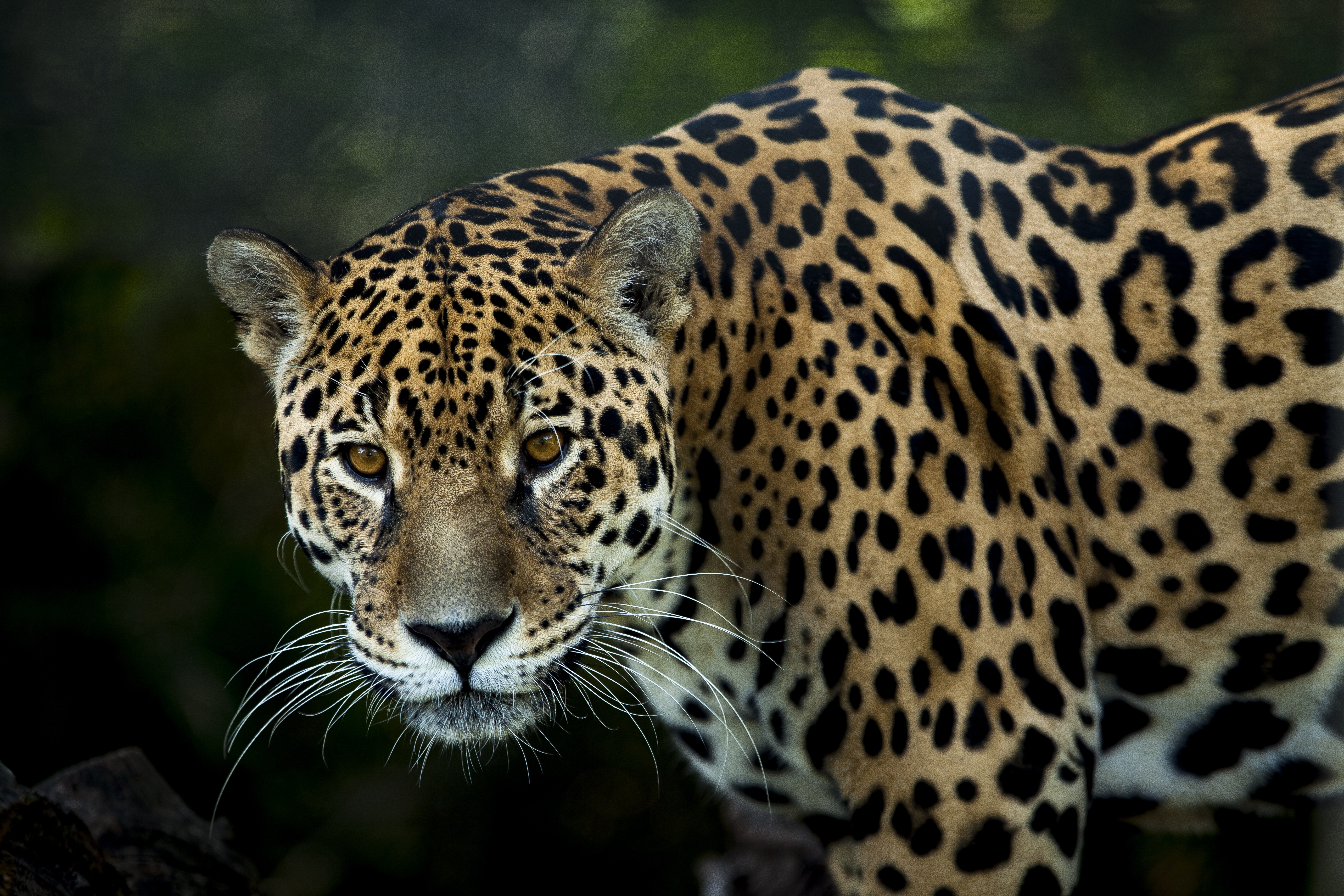
Deep within the tropical rainforests of Mesoamerica roams one of the most powerful and mysterious animals in the Americas: the jaguar. With its beautiful spotted coat, incredible strength, and ability to move silently through the jungle, the jaguar has captured the imagination of civilizations for thousands of years. But to the Indigenous peoples of Mesoamerica, the jaguar has always represented something much greater than just a predator.
Throughout Mesoamerica, from Mexico to Central America, the jaguar has long symbolized strength, courage, and spirituality. Ancient civilizations such as the Olmec, Maya, and Mexica (Aztec) honoured the jaguar through their artwork, traditions, and religious beliefs. For the Maya, it represented a connection to the spiritual world, while Mexica Jaguar Warriors wore its image as a symbol of bravery and strength. Today, the jaguar remains an important part of the region’s cultural and natural heritage.
As the largest wild cat in the Americas, the jaguar plays an essential role in maintaining healthy forests by regulating prey populations. Unfortunately, deforestation, agricultural expansion, and illegal hunting have reduced its historical range by approximately half. Protecting important habitats, such as Nicaragua’s Bosawás Biosphere Reserve and the Maya Forest, is essential not only for jaguars but also for the countless species and communities that depend on these ecosystems.
As someone born in Nicaragua and now living in British Columbia, I see similarities between the challenges facing jaguars in Mesoamerica and those affecting grizzly bears, wolves, and cougars here in Canada. All depend on healthy, connected habitats to survive.
This International Jaguar Day, November 29, let’s recognize the importance of protecting wildlife, supporting Indigenous-led conservation, and preserving our natural heritage. Protecting the jaguar is about more than saving one species. It’s about ensuring future generations inherit a world where nature continues to thrive.